Table Of Content

If chemo-related hair loss triggers tough emotions, be gentle with yourself. Some people going through this feel depressed, anxious, frustrated, angry, or a combination of emotions. This may be something you want to discuss in a support group or with a counselor who works with people dealing with cancer. Give yourself room to feel and work through whatever comes up.
Timeline

The synthetic styles range from about $25 to a few hundred dollars compared to around $1,000-$3,000 for a human hair wig. Three of 5 quality-of-life measurements, including feeling less physically attractive, showed benefit for women who received scalp cooling. Be sure to ask your doctor and/or nurse about your chemotherapy regimen and whether it’s known to cause hair loss.
How to Prepare for and Handle Hair Loss From Chemo
Talk with your doctor to learn if hair loss is a common side effect of the chemotherapy medications you’ve been prescribed. Your doctor can help you learn what to expect and when to expect it. The number of people who have hair loss due to chemotherapy may vary depending on the type of chemotherapy drug used to treat them.
The 11 Best Hair Growth Serums for Long, Strong Hair
Research from 2020 notes that up to 90% of a person’s hair is usually in a stage that chemotherapy may affect. Full normal hair growth rates may take up to a month or more. For some, the average is hair growth six weeks after chemo. There are differing views about whether gentle scalp massage may help hair growth. If this is something you want to try, talk to a hairdresser or barber.
Strictly's Amy Dowden reveals she's having head massages to stimulate hair growth after chemotherapy on her se - Daily Mail
Strictly's Amy Dowden reveals she's having head massages to stimulate hair growth after chemotherapy on her se.
Posted: Wed, 07 Feb 2024 08:00:00 GMT [source]
An older study from 2010 notes that hair loss occurs in around 65% of people who have chemotherapy. A person’s hair may begin to grow back before they finish treatment. Hair loss during chemo is one of cancer’s most diabolical side effects. It’s bad enough to feel sick — who wants to look sick, too? Hair loss can also broadcast to the world a health status you’d rather keep private.
A 41-year-old mother of two, Posner had long, flowing locks before she was diagnosed with aggressive breast cancer. She went bald as a result of her life-saving chemotherapy treatment. But no matter what you end up doing to promote regrowth, be prepared for the possibility that your new hair might not look exactly the way it did before. Some people might assume that’s a pretty insignificant change, but we know how important hair can be to a person’s self-confidence. Sometimes these fears and concerns are expressed as being hair related. For example, a woman may express frustration with her new chemo curls or the new color of her hair, when actually she is really anxious about whether the cancer may return.
More research is needed to know whether treatments like Rogaine (minoxidil) are effective after stopping chemo. The medicines in chemo that affect your hair growth are called cytostatic drugs. Cytostatic drugs suppress cell growth, which may damage the cells that make up your hair roots.
Best for Grays: Living Proof Scalp Care Density Serum
Wearing a scalp cooling cap during chemotherapy infusions might help prevent hair loss. These caps are thought to slow the flow of blood to your scalp. This may limit the amount of chemotherapy medication that reaches your scalp, reducing its effects on your hair follicles. Hair loss is a common side effect of chemotherapy but is not permanent.
Additionally, if you have a family history of a certain hair color or type, don’t be alarmed if your hair comes back slightly different. Rosa Panadès was diagnosed with breast cancer at 30 and kept a blog about her hair regrowth after chemotherapy. Five years later, she talks about losing her hair, what happened when it grew back, and what it meant to her.
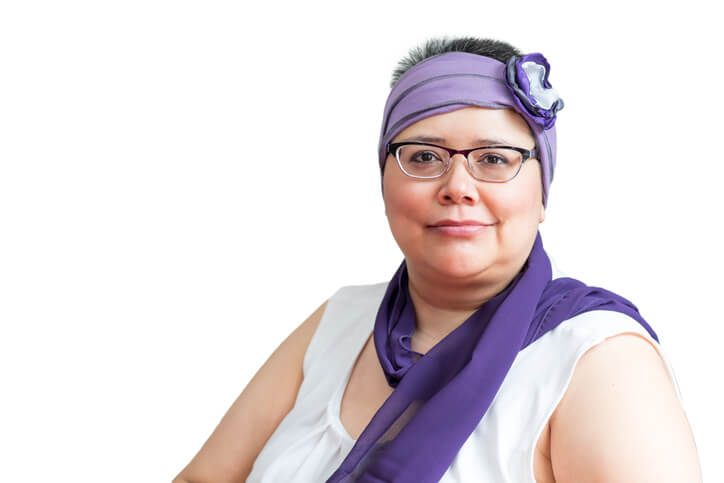
About a month after that, real hair starts to grow at a rate normal for each woman, and at the two month mark, many woman will have roughly an inch of hair. The time it takes to grow back a full head of hair will vary from woman to woman, and will also depend on your hairstyle (whether long or short) prior to chemotherapy. Cold caps or cooling caps are “devices” that essentially delivers scalp cooling or hypothermia to the scalp to constrict or tighten up blood vessels in the scalp. This is meant to cut down the amount of chemo that reaches the cells in the hair follicles. Most of the time, hair loss from chemotherapy is temporary.
Cancer cells divide more frequently than regular cells do, which means that chemotherapy is more likely to target them. Our best advice is to be patient with your body and yourself as you go through the recovery process. So if wearing a wig, hat, turban, scarf, or any other head covering helps you feel better while you wait for new hair to come in, go ahead and wear it. Your hair will keep on growing either way, so you might as well do what makes you feel most comfortable. In fact, wearing a wig is often recommended for people who want to maintain the look of a full head of hair or hide the patchy spots left by inconsistent hair loss.
Unless you’ve undergone chemo before, you very likely haven’t grown your hair out from complete baldness. I would say to stay away from any products that chemically curl or straighten hair. But if you’re determined to do something, at least run it by your care team first, to make sure it won’t interfere with your treatment.
As your body starts to recalibrate after chemotherapy, your hair will likely return to its usual texture and color within months to a year. The pattern of hair loss and regrowth is different for every person going through chemotherapy, and may be related to age, treatment tolerance and personal health history. Avoid coloring your hair and applying heating devices until your hair grows stronger.
Other changes to the color and texture of the hair should also go away as the drugs leave the body after treatment. In the meantime, gentle care and styling can make managing the hair much more straightforward. Chemo curls are a common part of recovery from chemotherapy. Chemotherapy drugs can linger in the body after treatment, affecting many cells such as the hair follicles. Getting my hair back represented getting myself and my life back, which I felt had been controlled by chemo. Hair regrowth signified going back to normal, whatever normal was going to be after cancer.